Choose timezone
Your profile timezone:
MWGaiaDN is a Horizon Europe Marie Skłodowska-Curie Actions Doctoral Network funded under grant agreement no. 101072454.


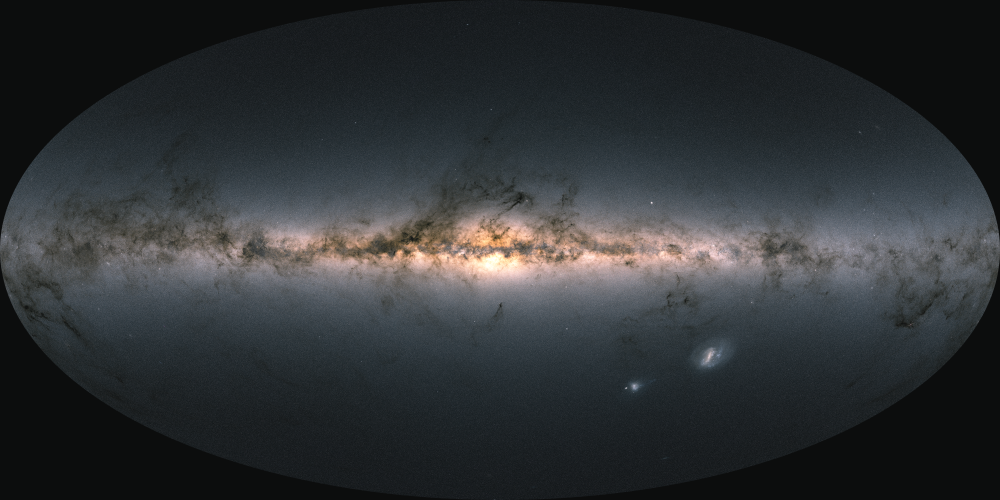
Image credits: ESA/Gaia/DPAC
This conference celebrates the achievements of the MWGaiaDN Doctoral Network, which features PhD projects focused on the science that can be extracted from Gaia DR3 and Gaia DR4. Topics covered are the Milky Way as a galaxy, stars and planets, and Active Galactic Nuclei in the context of reference frames. MWGaiaDN projects also look towards the future, by researching the challenges of sub-microarcsecond astrometry and investigating the technical challenges that will have to be overcome to realize the potential follow-up mission to Gaia, GaiaNIR
This conference is open to participation by anyone from the astronomical community. No registration fee is charged.
The timing of this conference, just after the release of Gaia DR4, allows for a look back at the science results achieved with Gaia DR3 and to look ahead at the grand challenges that Gaia DR4 and DR5 offer that the scientific community can address through collaborative projects.
Looking further ahead, the next step will be to map the regions of the Milky Way and the universe inaccessible by Gaia, which requires a deeper survey able to penetrate the dust to unveil the hidden regions. Future astrometry missions in the infrared will be discussed, with JASMINE mapping the Milky Way's nuclear region and GaiaNIR vastly expanding Gaia's census of the Milky Way to a dense sampling of phase space over the full extent of the Milky Way's disk. The latest mission updates will be presented and synergies with other missions and surveys will be explored.
The correct time for reflections of a mission may be after the release of the legacy archive. However, the length of a corner stone mission like Gaia perhaps justifies an earlier snapshot before details start to be forgotten. The periods of preparing, building and operating Gaia are already well behind us. I will choose a selection of topics that bothered us before the launch and reflect those on the actual in orbit behaviour. I will also comment on some science topics although the time for a comprehensive scientific summary from Gaia will be appropriate much later in the future.
Gaia DR4 has been released on 2 December 2026. It represents the impressive promise that ESA and the Gaia DPAC consortium made when the Gaia mission was adopted and the data processing was entrusted to DPAC. Gaia DR4, with all its epoch data products, is a major revolution that will be exploited scientifically for many years to come. Nonetheless, the "Gaia grand finale" in the form of Gaia DR5 processing of all 10+ years of data is already in progress. I will present an overview of Gaia DR4 and an outlook towards Gaia DR5.
Galactic Archaeology has greatly advanced in the last decade thanks to the Gaia mission (ESA). By providing precise astrometric, photometric, and spectroscopic data for an unprecedented number of sources, Gaia has revealed the complexity of the Milky Way's ongoing evolution, uncovering accreted structures in the halo, warped regions in the disc, and snail-shaped overdensities in the vertical phase space, among other discoveries. Since Gaia DR3, the GSP-Spec module --integrated into the Gaia Apsis pipeline-- has also provided the stellar parameters and chemical abundances for millions of stars observed with the on-board Radial Velocity Spectrometer. For Gaia DR4, GSP-Spec has been significantly improved, increasing the number of parametrised sources by a factor of six, including new chemical species, and accounting for a wider variety of scenarios (e.g., variability in Cepheids and RR Lyrae stars), among other updates. In this talk, I present the GSP-Spec analysis and data products for Gaia DR4, highlighting the improvements over DR3 and providing recommendations for their reliable exploitation. Finally, I showcase selected scientific applications to illustrate the potential of GSP-Spec data for Galactic Archaeology and other fields of astrophysics.
We present a catalogue of two billion stellar distances computed from the Gaia DR4 parallaxes and other Gaia data. We outline how these distances differ from our previous catalogues for GDR2 and GDR3 (Bailer-Jones et al. 2018, 2021) and compare the results to these. New to this release are kinegeometric distances (Bailer-Jones 2023), in which the proper motion together with a velocity prior is used to constrain distance when the parallax is poor. These distances are accompanied by self-consistent 2D transverse velocities. We also describe our ongoing work on a new public open source software tool that will enable users to compute stellar distances from Gaia and non-Gaia data with many configurable options, such as choices of prior, uncertainty inflation, posterior summary, and so forth.
Gaia DR4, by providing epoch astrometry, photometry and spectroscopy, provides several complementary ways to derive precise dynamical masses of the components of multiple systems.
I will review those methods, present how they have been used to derive a mean solar neighbourhood mass-luminosity relation and the next steps to further constrain it.
In 2011, even before its launch, Gaia was promising to dissect the structure of the Milky Way and to reveal its formation history. 15 years later, Gaia revealed at a quantitative level that our Galaxy is far more dynamically structured than anticipated, and even challenged our longstanding assumption that our Galaxy is in equilibrium. From the remnants of the last major mergers, to streams, to on-going perturbations in the disk with ridges in the rotational motion of stars and spirals in phase space, the people working with Gaia data have unravelled new elements throughout the entire history of our Galaxy. The common point of all these features is that when they are not continuously driven, they are structures in the process of phase-mixing. I will summarize these findings, the challenges related to to extracting the story of the Milky Way from those data,and briefly explore how future datasets from the next generation of astrometric surveys might help overcome some of these challenges.
In the last few years, the unparalleled wealth of data from the Gaia satellite allowed us to map unexplored regions of our Galaxy, revealing a large variety of features and complex stellar motions in the Galactic disc. In this talk, I will provide an overview of the most recent results on the three-dimensional morphology and large-scale kinematics of the Milky Way's disc. I will specifically focus on what we have learned about the spiral structure of the Galaxy, as well as the large-scale warp and vertical waves across different stellar populations. Finally, I will discuss what we aim to learn from Gaia Data Releases 4 and 5, and the role that Gaia NIR could play in advancing this field.
Past observations and simulations have shown that the bar in the Large Magellanic Cloud (LMC) may be tilted with respect to the disk plane, and that the outer LMC could be warped. We use seven simulations from the KRATOS suite of N-body simulations of the LMC, SMC and Milky Way (MW) system to investigate these vertical asymmetries. We track the morphological and kinematic evolution of the LMC in these simulations, and indeed detect vertical asymmetries in the LMC bar and disk in the interacting models. We use Fourier decomposition to quantitatively analyze these vertical asymmetries, and find that they are a direct result of tidal interactions between the MCs. In particular, we find that a direct collision between the MCs could induce a "tilt" of the LMC bar, with a tilt angle consistent with the observations. We compare the Fourier decomposition results with those obtained using the vertical velocity map of the LMC optimal sample in Gaia DR3 observation. Using mock Gaia DR3 catalog, we find that the interpretation of the vertical asymmetries in the Gaia DR3 observation may be affected by the assumption of a flat LMC disk.
Understanding the formation history of the Milky Way disc requires tracing its structural evolution and major evolutionary events on a consistent age scale. The Gaia-Sausage-Enceladus (GSE) merger is thought to have strongly affected the disc (e.g. Grand et al. 2020, MNRAS, 497, 1603), and simulations suggest that such a merger can trigger bar
formation (Merrow et al. 2024, MNRAS, 531, 1520). Observationally, however, the ages of these events are currently inferred on different scales and the epochs cannot be compared directly. Ages of APOGEE red giants, calibrated with asteroseismology (BINGO; Ciucă et al. 2021, MNRAS, 503, 2814), place the GSE-associated starburst at 12–10 Gyr ago (Ciucă et al. 2024, MNRAS, 528, L122), whereas ages of Mira variables derived from an isochrone-calibrated period–age relation (Zhang & Sanders 2023, MNRAS, 521, 1462) indicate bar formation at around 8 Gyr ago (Sanders et al. 2024, MNRAS, 530, 2972). We therefore calibrated the two age scales using stellar motions. We modelled the age dependence of the structure and kinematics of the disc using 16,617 red giants, and matched the period dependence of the vertical velocity dispersion of 2,394 Miras to it. This provides the age-dependent kinematic structure of the disc, and places the GSE-related starburst and the formation of the bar on a single timeline. We find that the thick-to-thin disc transition occurs at the final stage of the GSE-induced starburst, at an age of about 10 Gyr ago, together with a dip in the disc scale length, which we interpret as a shrinking of the star-forming gas disc (Funakoshi et al. 2025, MNRAS, 543, 2275). The formation of the bar overlaps with this epoch. This coincidence is consistent with a scenario in which the GSE merger was a turning point in the history of the Milky Way disc, followed by the formation of the bar and the growth of the thin disc. Our approach of connecting ages from different tracers through kinematics can be applied to other age indicators from large
surveys.
Over the last decade, our understanding of the Milky Way (hereafter, the Galaxy) has been refined thanks to the massive amount of data provided by the Gaia mission and large spectroscopic surveys. Besides high-impact discoveries such as Gaia-Enceladus-Sausage, new questions about the formation and evolution of the Galaxy have arisen. Recent studies have noticed the existence of stars which, in principle, should not be inhabiting the thin disc of the Galaxy: their low metallicity suggests that they are likely older than the thin disc itself. Still, their kinematics match those of the more metal-rich, younger thin disc, with near-circular orbits, close to the Galactic plane. We have also identified these unusual objects in a study characterising the metal-poor Galaxy, several of which have not previously been studied in detail. They are late-type stars in different evolutionary stages, with [Fe/H] < -2. Their orbits, calculated with GalPy using Gaia DR3 data, are compatible with the thin disc. We will present a chrono-chemodynamical characterisation of these stars, using all data currently available: low and high-resolution spectroscopy, astrometry, kinematics, and photometry. Then, we will discuss the possible origins of these stars, how they did end in a structure assumed to be younger than them, and the likelihood of these objects being just statistical outliers.
The precise astrometry from Gaia has allowed us to revolutionize our understanding of the Milky Way's gravitational potential. In this talk, I will focus on stellar streams, which we have used to measure the combined potential of the Milky Way and its largest satellite, the Large Magellanic Cloud. In particular, I will focus on two streams, Sagittarius and Orphan-Chenab, since these two long dwarf galaxy streams provide the best constraints on our Galaxy's potential. While they agree on the mass of the LMC and the mass of the Milky Way where these streams live, they disagree on the orientation and flattening of the Milky Way's dark matter halo. This disagreement suggests that our treatment of the potential is missing a crucial ingredient, and I will argue that it is the mutual deformation of the Milky Way and the LMC in the presence of each other. I will end with a discussion of how we can hope to address this.
The precise astrometry of Gaia DR3 has provided detailed information about many stars not only in the Milky Way (MW), but also in two of its neighbouring galaxies, the LMC and SMC (the Clouds). With their proximity to the MW, the Clouds give us a unique view of a nearby interacting system. The interaction between the Clouds has affected the morphology and kinematics of both galaxies, resulting, for example, in asymmetric patterns in the LMC velocity maps. In order to study the time evolution of these kinematic signatures, we analyzed the KRATOS suite of N-body simulations of the LMC–SMC–MW system (Jim´enez-Arranz et al., 2024). Comparing isolated LMC simulations to those in interaction allowed us to quantify the impact of the SMC on the bar quadrupole and the disc outskirts of the LMC. We concluded that the dynamical effect of the SMC passages produces a displacement of the bar and asymmetries in the velocity maps of the bar and outer disc which resemble the observed Gaia velocity maps. We also developed a tool to transform the KRATOS simulations into mock catalogues with Gaia observational errors, to confirm that the asymmetries are not an effect of systematic uncertain-
ties, but a consequence of the interaction of the LMC with the SMC. The mock catalogue tool has been used in studies of the LMC and the MW, and includes error models for future Gaia releases as well as a simulation of GaiaNIR uncertainties by Hobbs et al. (in prep). In addition to internal disturbances in both galaxies, the recent interaction between the Clouds
has also resulted in prominent external features, such as the bridge of gas and stars between them. The Bridge has been the target of many observational studies, but its low stellar density compared to the high foreground contamination of MW field stars makes it difficult to define the stellar population. We identified a sample of likely young Bridge stars in the region between the LMC and SMC using Gaia DR3 astrometric and photometric data, combined with machine-learning techniques. We characterised this Bridge sample by investigating its kinematic and
photometric properties and validated it using existing Bridge samples. From the sample’s median tangential velocity we derived a crossing time that is within the timeframe of the last interaction of the Clouds. We therefore concluded that tidal stripping of SMC stars is a possible formation scenario of the Bridge.
The Small Magellanic Cloud (SMC) is known to exhibit a complicated three-dimensional structure, shaped by its complex dynamical evolution and tidal interactions with the Large Magellanic Cloud. Using Gaia photometry and astrometry, we investigate the presence of a spatially extended and kinematically distinct stellar component in the SMC.
Our analysis initially focuses on the red clump (RC) population in an outer region of the SMC, where we identify two distinct peaks in the G-band magnitude distribution, separated by approximately 0.4 mag. The corresponding stellar populations display different proper motion distributions, with a difference of approximately 0.45 mas yr⁻¹ in the right ascension component. By extending our photometric and kinematic selection across the SMC, we reveal two spatially distinct stellar components: one associated with the main body of the galaxy and another forming an extended, spatially offset structure.
The brighter RC component is consistent with a foreground population located approximately 10 kpc closer than the main body of the SMC. This interpretation is further supported by the distance distributions of RR Lyrae variables associated with the two spatial components.
Gaia has transformed Galactic archaeology by delivering a homogeneous, all-sky census of the Milky Way’s stellar content, with astrometry and photometry of exceptional quality. Here we exploit this legacy to turn the Gaia colour-magnitude diagram into a high-precision stellar clock. Applying CMD-fitting to Gaia data for complete, volume-limited samples in the solar neighborhood, we derive age-metallicity distributions of the Milky Way disk with remarkable precision. From them, we isolate quasi-mono-age-metallicity stellar populations with an age resolution better than 5%, or ~0.5 Gyr at old ages, a level of precision rarely reached for large stellar samples, particularly for old populations. This quality of ages allows us to measure absolute vertical density profiles and scale heights as a function of age and metallicity, dissecting the vertical structure of the Galaxy with unprecedented temporal resolution. Our results reveal a robust correlation between stellar age and vertical scale height, and a dramatic transition in the disk’s structural evolution 10.8 Gyr ago. For populations younger than 10.8 Gyr, the thickening with age is gradual and continuous, indicative of quiet evolution. At older ages, the scale height evolves extremely steeply, dropping from over 1.26 kpc to ~0.5 kpc in merely ~2 Gyr. This rapid vertical settling at early epochs strongly favors an upside-down formation process for the old (thick) disk, a structural fossil of the turbulent and chaotic state of the gas at its birth. Together, these findings provide compelling observational evidence for a dual-path scenario: an early, chaotic assembly phase driven by gas turbulence and intense star formation that shaped the thick disk, followed by a quiescent phase of gentle gas settling and secular heating that formed the thin disk. These results showcase the power of Gaia ages to reconstruct the formation history of our Galaxy.
Gaia has revolutionised our ability to map the Milky Way in 3D. Through its unique combination of precise stellar astrometry, photometry and spectroscopy, Gaia has driven a new age in three-dimensional dust mapping. In this review, I will survey the field through the Gaia era, from Bayesian distance-reddening inference and regularised line-of-sight reconstructions to Gaussian-process and other spatial inference methods, together with the increasingly scalable computational frameworks required to map ever larger volumes of the Milky Way.
I will highlight what the new generation of 3D maps has revealed. Dust maps now resolve nearby molecular clouds, reveal the geometry of the Local Bubble and surroundings, and uncover coherent structures extending hundreds to thousands of parsecs. More broadly, they connect dust with gas, young stars, stellar feedback and Galactic dynamics. I will discuss examples from existing maps, and examine where they agree and disagree, how those differences arise, and what this means for the increasingly widespread use of 3D dust maps as inputs and priors in other areas of astronomy. I will also discuss the power of Gaia DR4 and the new generation of 3D dust maps which will be driven by it.
GaiaNIR’s all-sky near-infrared astrometry will provide distances and motions for stellar populations inaccessible to Gaia, dramatically increasing the number of background stars available in highly extinguished regions. Combined with deep photometric and spectroscopic surveys, this will enable coherent three-dimensional reconstruction of dust across the Galactic disc, including the inner Galaxy and potentially its far side. Such maps would allow us to study the relationship between dust, gas, star formation and Galactic dynamics on scales ranging from individual molecular clouds to spiral structure.
I will close by considering what the 3D dust-mapping community needs from GaiaNIR, how the field can prepare for it using Gaia and the next generation of surveys, and what a NIR-driven three-dimensional map of dust would in turn enable for Galactic archaeology, bringing us substantially closer to a complete three-dimensional picture of our Galaxy.
Interstellar extinction is a major obstacle to a broad range of astronomical observations, but also a valuable tracer of the three-dimensional distribution of interstellar dust. The Gaia mission has transformed extinction studies by providing precise astrometry and homogeneous photometry for an unprecedented number of stars. In particular, Gaia DR3 introduced low-resolution BP/RP (XP) spectra for approximately 220 million sources, opening new possibilities for estimating stellar extinction with greater precision than previously achievable using broad-band photometry alone.
In this talk, I will present the main results of my PhD research, focused on developing an empirical method to estimate stellar extinction from Gaia XP spectra. Our approach exploits their rich spectrophotometric information through a tailored system of synthetic photometric bands. Using a sample of stars with negligible extinction, we calibrate intrinsic colour–colour relations that account for stellar metallicity and enable extinction estimates based primarily on Gaia observations. The method achieves a precision of approximately 0.05–0.06 mag at low extinction, with typical uncertainties around 0.1 mag over broader stellar samples. Accounting for metallicity helps mitigate systematic biases, while the wavelength coverage of XP spectra also provides valuable constraints on the shape of the interstellar extinction curve.
The transition from Gaia DR3 to DR4 represents a major opportunity for extinction studies, with improved spectrophotometry and a substantially expanded sample of stars with XP spectra. These advances enable the application of our methodology on an unprecedented scale, providing homogeneous stellar extinction estimates that serve as the basis for higher-resolution three-dimensional maps of Galactic dust. Such maps will provide valuable resources for investigating the structure of the Milky Way, while future near-infrared astrometric missions such as GaiaNIR could further extend extinction studies towards the most heavily obscured regions of our Galaxy.
The Gaia revolution has shown us that the outer Milky Way disc is truly disturbed. The way we describe and characterise this disturbance seems to depend on how we are looking at it. We can recognize that it is warped, but that the warp is not behaving as we would expect one to do. It appears to be precessing rapidly, but this does not fully explain the kinematics of the stars. The behaviour is also different for differently-aged populations of stars.
In this talk I will show new results using red clump stars in the outer disc, from a sample found from Gaia DR3 data as part of the Gaia Unlimited project. These stars allow us to trace the kinematics of the outer disc with precisely determined distances. However, our ability to interpret these results is hampered by dust extinction which prevents us from gaining a clear view of the whole outer disc, and this may only be resolved with GaiaNIR.
I will also present results from simulations of the Milky Way, which show that warps produced by a single impulsive disturbance behave in complicated ways which will look quite different at different stages in their evolution.
Stellar tracers offer a way to map the motions of molecular clouds that complements gas observations. They also allow a direct comparison between the stellar and gaseous components of star-forming regions. Using Gaia DR3 astrometry together with radial velocities from spectroscopic surveys, we built a unified sample of 24,146 young stars, comprising young stellar objects (YSOs) and members of open clusters (OCs) younger than 30 Myr. We identified co-moving YSOs through clustering in proper-motion space and derived the 3D kinematics of 15 star-forming regions within 2.5 kpc of the Sun. YSOs and young OCs move consistently within each cloud, with a median velocity offset of ≲ 2 km s⁻¹, so OCs can also be used to trace the bulk motion of their parent clouds. The clouds show a median peculiar velocity of ≃ 9 km s⁻¹ relative to Galactic rotation. Orbital integrations let us trace the Solar System’s passage through the Orion cloud and the common origin of Lupus, Ophiuchus and Corona Australis in Sco-Cen. Internally, we detect significant expansion in Orion and Ophiuchus and coherent rotation in at least six complexes, likely shaped by stellar feedback and angular-momentum redistribution.
The detailed morphology of the Milky Way spiral structure remains uncertain despite the unprecedented astrometric view provided by Gaia. Young stellar populations are among the most powerful tracers of recent spiral activity, but different tracers are affected by different evolutionary timescales, spatial distributions, selection effects, and distance uncertainties. A fundamental question is therefore whether the spiral structures inferred in the Solar neighbourhood represent a common underlying Galactic pattern or depend significantly on the population used to trace them.
Building on our previous identification of a segmented spiral structure using young open clusters and young stellar objects, we extend the analysis to independent tracers of recent star formation, including O/OB stars and HII regions. We apply a consistent methodology to the different populations, identifying significant spatial structures and characterising their geometry through spiral-segment fits in the ((\theta,\ln R)) plane. Bootstrap resampling is used to estimate the uncertainties of the recovered geometrical parameters, while alternative analysis configurations allow us to assess the sensitivity of the inferred structures to tracer density, distance uncertainties and sample-specific effects, including line-of-sight elongations in massive-star samples.
Our preliminary results indicate that the main spiral geometries recovered from the different young tracers are broadly compatible, supporting the existence of common underlying structures. However, significant local differences appear in the extent, prominence and connectivity of individual segments. We further compare the high-probability regions associated with the structures traced by the different populations to identify those portions of the spiral pattern that are independently supported by several tracers.
These results favour a picture in which a common large-scale organisation coexists with substantial tracer-dependent substructure, rather than either a completely tracer-specific morphology or a simple set of uniformly traced continuous arms. The multi-tracer approach therefore provides a direct way to quantify which features of the nearby spiral pattern are robust and which remain sensitive to population, extinction and observational selection.
This framework provides a natural benchmark for the improved view of the Galactic disc expected from Gaia DR4 and, ultimately, from infrared astrometry with GaiaNIR.
The present day structure and dynamics of the Milky Way (MW) preserve signatures of its last major merger, commonly associated with the Gaia-Sausage-Enceladus (GSE) progenitor approximately 9–10 Gyr ago. We present a hydrodynamical simulation of this event, modelled as a 1:3–1:4 merger using the GIZMO code, and investigate how the merger shaped the stellar orbital structure and observable properties of the Galaxy.
Starting 12–13 Gyr ago with gas-rich proto-MW and GSE progenitors on a parabolic orbit, we follow the system through the merger and subsequent secular evolution. The resulting galaxy reproduces the characteristic kinematic distribution of GSE debris in the energy–angular momentum (E–Lz) plane, providing a direct connection between present-day stellar orbital properties and the MW’s accretion history. We further find that globular clusters associated with GSE can retain orbital memory of the merger epoch, offering an additional dynamical tracer of the Galaxy’s assembly.
The merger remnant also reproduces key structural and dynamical properties of the MW, including its bulge/bar and rotation, thin and thick discs, spiral structure, surface-density profile, rotation curve, gas fraction, and star-formation history. This agreement provides a self-consistent framework for interpreting the chemo-dynamical signatures revealed by Gaia in terms of the MW’s formation history.
Our results demonstrate how precision measurements of stellar positions and velocities can be combined with dynamical modelling to reconstruct the Galaxy’s past. In particular, the simulated merger links the present-day phase-space structure of accreted stars and globular clusters to a specific major merger event, illustrating the potential of Gaia-era astrometry to constrain the origin and evolution of the MW’s major components.
Gaia has transformed our view of the Milky Way by revealing complex kinematic substructures that encode the dynamical processes shaping our Galaxy. Interpreting these structures requires theoretical frameworks that connect the observed distribution of stars in phase space to the underlying gravitational potential. Invariant manifolds theory provides such a framework, linking the orbital dynamics around unstable Lagrangian points of a galactic bar to coherent stellar flows and large-scale spiral structure.
In this talk, I will present a series of studies using fully self-consistent N-body simulations to investigate the dynamical signatures of invariant manifolds in barred galaxies (Soler-Terricabras et al. 2026a,b,c). I will discuss how manifold-guided orbital flows can contribute to the interpretation of kinematic ridges observed in Gaia data, and how the predicted radial velocity fields depend on the strength of spiral structure. These results illustrate how dynamical models can help connect the observed kinematics of the Galactic disc to its underlying structure and evolution, providing testable predictions for current and future astrometric surveys.
I will also discuss the extension of the invariant-manifolds framework to nearby galaxies, such as the LMC and SMC. Their interaction-driven morphology provides an opportunity to investigate how large-scale stellar structures, such as the Bridge, can be used to constrain the underlying dynamics of a gravitationally interacting system (in preparation). This approach opens new possibilities for using Gaia astrometry to test dynamical models of interacting galaxies beyond the Milky Way.
Three decades after 51 Pegasi b was revealed by the wobble it imposes on its host star, radial velocity (RV) and transit surveys have established the statistical foundations of exoplanet science with 93% of >6,000 confirmed planets detected via these methods. However, both methods are intrinsically biased toward short-period planets, and thus our current understanding of exoplanet demographics is biased towards compact inner architectures. Cool gas giants (CGGs) on multi-year orbits with masses hundreds of times that of Earth are key tracers of planetary formation and evolution. Epoch astrometry from Gaia Data Release 4 (DR4) dramatically expands this sample, revealing thousands of long-period giants. I will discuss early results of exoplanet demographics from Gaia DR4 and present a roadmap for how demographic studies of exoplanetary systems will continue to evolve in the coming decades.
In the context of the rapidly growing field of galactic exoplanet population studies, we present an exoplanet simulator capable of generating synthetic populations for millions of stars in a few seconds (Padois et al. 2025). Our framework combines observed exoplanet detections with the latest planetary formation models, incorporating dependencies between host star properties and planet occurrence rates, orbital period distributions, and other key demographic features.
However, many model parameters remain uncertain and model-dependent. To constrain some of the most critical ones, we couple our simulator with simulation-based inference (SBI): we define a set of more than 30 free parameters describing the population of different planet types (occurrence rates, mass-period distribution, mass-radius relation, etc.), run millions of simulations sampling from broad prior distributions, simulate their detectability by Kepler, and train a machine learning algorithm to learn the relationships between input parameters and the resulting “observed” synthetic populations. The best-fit parameters are then inferred by comparing model outputs to real observations, for which we adopt the Kepler confirmed planet catalog as our reference dataset, since it provides the largest homogeneous sample from a single facility.
We present preliminary results for the planet occurrence rate as a function of stellar mass and metallicity, across different planet types, along with constraints on several key simulation parameters such as the orbital period distribution and the inclination dispersion within planetary systems. These refined parameters enable us to refine our yield predictions for upcoming exoplanet detection missions, including PLATO, Roman, and HAYDN. We also produce an estimation of the exoplanet population in a volume-complete Solar Neighbourhood.
Detailed spectroscopic characterisation of stars provides essential information for understanding stellar populations, Galactic chemical evolution and the relationship between stars and their planetary systems. In this contribution, we present the WEAVE-TwiLight-Survey (WTLS), its observational implementation, and the development of the analysis frameworks required for its scientific exploitation.
WTLS is a dedicated spectroscopic programme targeting 8,870 bright stars across the Kepler field, the northern TESS Continuous Viewing Zone and the PLATO Long-duration Observation Fields, including 116 confirmed exoplanet hosts. To facilitate efficient observations of these relatively sparse bright-star fields, we developed WEAVE-Tumble-Less, a novel observing mode that substantially reduces observational overheads and enables the use of otherwise rarely used twilight observing windows.
We further discuss the development and initial characterisation of the stellar analysis pipelines within the WEAVE Advanced Processing System (APS), focusing on the derivation of atmospheric parameters and chemical abundances. Particular emphasis is placed on pipeline performance and validation against independent spectroscopic surveys.
Finally, we present the first scientific characterisation of a preliminary WTLS sample comprising several hundred bright stars observed at high signal-to-noise. Combining stellar kinematics, atmospheric parameters and chemical compositions, we explore the properties of the observed stellar populations and assess the performance of WEAVE for detailed stellar characterisation. Together, these efforts establish the observational and methodological foundation for the homogeneous analysis of the broader WTLS sample and its future application to exoplanet-host characterisation.
For the first time in the history of Gaia, DR4 presents combined astrometric solutions for resolved pairs up to an angular separation of 4 arcseconds. After discussing the idea behind this, in this contribution we also demonstrate the improvements and scientific enhancement this module brings to DR4. Furthermore, we believe that the results of this module hold a treasure trove for resolved multiple systems, and will highlight the potential through various examples.
The past decade has seen extraordinary strides in the quality and quantity of science possible with star clusters in the Milky Way. In this talk, I will recap some of the phenomenal results that Gaia has enabled, from the explosion in the number and quality of known star clusters, to the dozens of novel uses for star clusters that are now possible thanks to Gaia. I will argue that modern astronomy has never seen such a sharp jump in quality of science possible with Galactic star clusters, meaning that we are truly in a "golden age" of star cluster science.
Yet despite the progress of Gaia DR3, only an estimated ~4% of the Milky Way's young bound star clusters are currently known, meaning that the present-day sample still represents a phenomenally biased picture of our Galaxy's true star cluster population. I will discuss how Gaia DR4 will provide improvements over DR3, and I will also show how the proposed GaiaNIR mission will be essential to unlock an unbiased view of the majority of star clusters and star formation in our galaxy.
Open Clusters are excellent tracers for the Galactic thin disk, providing insights into its formation and evolution. Precise cluster age determination is essential for studying cluster evolution, as well as the evolution of the disk as a whole.
We produce an updated catalog of cluster parameters (age, extinction, distance) by constraining the age determination via newly available spectroscopic measurements of metallicity, improving upon the precision of existing catalogs. Using high-quality astrometry from Gaia DR3, we derive new cluster memberships via a Machine Learning-based clustering algorithm (AstroLink). We compile metallicity measurements from multiple ground-based spectroscopic surveys (Gaia-ESO, GALAH DR3, APOGEE-OCCAM) and Gaia GSP-Spec into a uniform scale. The ages of 320 clusters are determined using a Machine Learning-accelerated approximate Bayesian isochrone-fitting code (based on ASteCA), adopting a multiband approach that incorporates Gaia XP and synthetic photometry. This sample of well-characterized clusters is then used for training a novel, permutation-invariant machine learning model to infer cluster ages from the XP spectra of cluster members.
All star clusters continuously dissolve, leaving behind extended tidal tails under the combined influence of internal dynamics and the Galactic tidal field. Gaia has transformed our ability to detect these structures, revealing tidal tails around an increasing number of nearby clusters. I will review recent Gaia & N-body studies of cluster tidal tails, focusing on their detectability, morphology & dynamical evolution, and discuss the challenges of distinguishing genuine tails from field-star contamination. I will show how observational selection effects can lead to substantial incompleteness in current tail catalogues, and why accounting for these biases is essential when interpreting tail populations. I will also explore the leading–trailing asymmetry of tidal tails as a potential probe of the underlying gravitational field, and discuss the challenges in connecting observations with dynamical predictions. Finally, the potential of tidal tails as powerful probes of star-cluster evolution and Galactic dynamics will be highlighted through the combination of precision astrometry, spectroscopy, and improved dynamical modelling.
A significant fraction of stars in the Galactic field reside in multiple systems, yet most of these remain spatially unresolved in Gaia observations. Current state-of-the-art stellar parameter inference tools deliver exquisite multi-dimensional maps of the Milky Way but typically neglect unresolved binary companions, potentially biasing derived parameters when the secondary contributes significantly to the overall flux.
We previously inferred stellar masses and binary mass ratios for Gaia DR3 open cluster members (Malhotra et al. 2026), and now extend the method to the Galactic field while explicitly accounting for unresolved companions. Using a simulation-based inference (SBI) framework, we combine multi-band photometry, spectroscopic labels from high-resolution surveys, and Gaia binarity indicators (e.g., RUWE) to jointly constrain stellar age, mass, distance, line-of-sight extinction, and binary mass ratio (q), including regimes compatible with dark, compact object companions. Our tests on synthetic populations show that accounting for the unresolved companion reduces both bias and scatter in the recovered ages. At the same time, the inference runs about two orders of magnitude faster than traditional isochrone fitting. This framework is also flexible enough to include new observables as astrometric and spectroscopic surveys continue to grow.
Young stellar objects (YSOs) can exhibit high-amplitude brightenings with time scales from a few months to a century. These types of outbursts are caused by changes in the mass accretion rate from a disk onto the star. Eruptive YSOs are important for understanding star formation, as according to the current models, stars during their formation mostly accrete at low rates, and gain most of their mass through accretion outbursts. The universality of episodic accretion, as well as its potential impact on stellar and planetary formation are still not fully understood. Improvement on the statistics of eruptive YSOs is needed to better understand episodic accretion, which already started due to surveys such as the Gaia Science Alerts.
In 2014, only about 40 eruptive YSOs were known, including candidates (Audard et al. 2014). The recent Outbursting YSOs Catalogue (OYCAT, Contreras-Pena et al. 2025) reported 174 confirmed eruptive YSOs and 355 candidates.
Our GLORIOUS (Gaia science aLerts tO find eRuptIve yOUng stellar objectS) collaboration aims to find new eruptive YSOs from transient surveys such as the Gaia Science Alerts, derive their physical properties based on optical and near infrared photometry and spectroscopy, and revise the classification of eruptive YSOs. We have identified more than 150 eruptive YSO candidates based on the Gaia Science Alerts, obtained spectroscopy for about 70 of them using various telescopes such as the NOT, TNG, GTC, LBT, VLT, and IRTF, and published the discovery of several eruptive YSOs, including Gaia18dvy (Szegedi-Elek et al. 2020), Gaia19fct (Park et al. 2022), Gaia20eae (Cruz-Saenz de Miera et al. 2022), Gaia21elv (Nagy et al. 2023), Gaia20bdk (Siwak et al. 2025), Gaia23bab (Giannini et al. 2024, Nagy et al. 2025), Gaia20dsk (Nemeth et al. 2026), Gaia21bty (Siwak et al. 2023), Gaia18cjb (Fiorellino et al. 2024), and Gaia21bja (Matefy et al. 2026). The analysis of several other eruptive YSO candidates is ongoing.
We will present a summary of our results on episodic accretion based on eruptive YSO candidates identified from the Gaia Science Alerts and our analysis of follow-up spectroscopy.
Gaia is providing an unprecedented view of the properties and diversity of stars across the Hertzsprung-Russel diagram. In this talk I will discuss some of the insights into stellar physics that have emerged from Gaia, with a particular focus on new opportunities provided by Gaia Data Release 4. I will highlight advances in the characterisation of stars across a wide range of temperatures and masses, from the hottest stars to the low-mass regime, and discuss what these observations can reveal about stellar properties, evolution, and populations. I will also consider some of the challenges that remain and how some future missions may help us address these challenges.
Asymptotic Giant Branch (AGB) carbon stars are primary drivers of cosmic dust and chemical enrichment due to their extreme, pulsation-enhanced mass-loss rates. Despite their crucial role in shaping galactic evolution and infrared emission, a comprehensive understanding of their dynamic atmospheres and evolutionary properties remains incomplete. In this talk, we present a multi-faceted approach to characterize these complex objects. First, we establish a robust statistical baseline through a homogeneous Spectral Energy Distribution (SED) fitting of nearly 15,000 carbon stars from the Gaia Golden Sample. Moving beyond traditional steady-state approximations, we then introduce the first phase-resolved, dynamic SED fitting of carbon stars, tracing the intra-cycle evolution of fundamental parameters such as effective temperature and optical depth. Finally, we will outline complementary observational and computational strategies designed to better understand the physics of these stars. These combined approaches pave the way for a fully dynamic and physically coherent picture of AGB carbon stars.
Gaia has transformed our understanding of star formation. Previous data releases have revealed the complex substructure of OB associations, enabled increasingly complete censuses of young populations, including substellar objects in the closest regions, and shown that many young clusters are already expanding at early stages of their evolution.
Gaia DR4 will provide new opportunities to address some of the still open questions in star formation. For example, it will allow to study more distant populations with a level of precision that is currently only possible in the solar vicinity, enabling to investigate star formation across different Galactic environments. Additionally, the improved kinematic information will help to better constrain the dynamical state of young clusters and establish how and when expansion begins.
In the coming decades, an infrared astrometric mission like GaiaNIR will be key to extending these studies to earlier stages of star formation with high levels of interstellar extinction. GaiaNIR might provide the first catalog of precise and homogeneous astrometry of brown dwarfs and planets, bridging the gap between star and giant planet formation.
Precise astrometric data from the Gaia mission and modern clustering algorithms are working in step to transform our view of the star-forming regions in the solar neighborhood. By revealing a much richer substructure than previously recovered, they enable us, for the first time, to accurately reconstruct full star formation histories by age-dating the individual sub-populations. The Orion star-forming complex is the best-studied stellar nursery in our neighborhood and the nearest one currently forming massive stars. Using Gaia DR3 data, we derived a comprehensive age map of its (sub-)populations, connected them to their ISM surroundings, and investigated the star formation history of the complex.
In this talk, I will present the Gaia-based results of my main PhD project, which focused on a full characterization of the substructure of the Orion complex. Using the Significance Mode Analysis (SigMA) clustering algorithm, which was specifically tailored to the 5D astrometric data from Gaia, and which we recently extended to distant (> 300 pc) regions, we separated the Orion complex into 47 co-spatial and co-moving stellar groups comprising about 12,000 reliable members. Compared to recent literature, we recover the majority of stars found in previous censuses, but find about 2-3 times as many members in total, along with a higher level of substructure. We also homogeneously derived ages for the identified groups, which range from 1.5 to 25 Myr. From the resulting high-resolution age map we reconstructed the star formation history of the entire complex, which displays four episodes of elevated star formation, spaced about 5 Myr apart each. A similar spacing was also reported for the nearby, but more evolved Scorpius-Centaurus star-forming region (Ratzenböck+2023). I will show our analysis of spatio-temporal patterns in Orion’s star formation history, including three tentative cluster chains with local age gradients, and relate them to their gas and dust environment and to the various formation scenarios proposed for the region.
Lastly, I will give an outlook on the improvements to this census that the new radial velocities and improved astrometry of Gaia DR4 will enable. I will also present the results of a pilot study in the very young Orion cluster NGC 2024, where we measured precise infrared-based proper motions for embedded members, offering a preview of what GaiaNIR could achieve in embedded regions.
For Galactic oxygen-rich long-period variable asymptotic giant branch (AGB) stars that lack reliable distance estimates, we introduce a new ``G-AGB'' method based on the Gaia mean apparent G-band magnitude m_G and Gaia color index. While reliable Gaia parallax distances for these evolved stars are generally limited to objects within ~2 kpc, the G-AGB method provides distances for $\sim$235,000 AGB stars out to ~25 kpc, and potentially as far as ~150 kpc, with typical individual uncertainties better than 30%. Using these distances, we map the Milky Way structure traced by oxygen-rich AGB stars, including the Galactic bulge, outer disk edge, vertical disk structure, and warp. We find that the non-Mira (semi-regular variable) population traces the disk to an outer radius of ~22 kpc, while Mira variables are more strongly concentrated toward the Galactic plane and closer to the center (i.e, within ~14 kpc). The vertical displacement of the outer disk shows a warp-like structure, with an enhanced negative excursion toward the direction of the M54/Sagittarius dwarf spherodial galaxy. These results demonstrate that Gaia-selected oxygen-rich AGB stars can be used as large-scale tracers of Galactic structure, while also establishing a framework for using evolved AGB populations as distance indicators across the Local Group.
Metal-rich RR Lyrae stars ([Fe/H] > −0.5) in the Milky Way disc challenge the classical picture of these stars as purely old tracers. Binary evolution has been proposed as a viable formation channel, predicting a significant population of RR Lyrae in binaries with orbital periods of 1000–2000 days, comparable to the time baselines of Gaia DR3 and DR4. Yet none were robustly identified in Gaia DR3.
Using a carefully selected sample of Gaia RR Lyrae stars and realistic simulations of Gaia astrometry, based on a tool I have made publicly available, I show that the DR3 non-detections already disfavour the highest binary fractions predicted by current models. However, intrinsic stellar variability suppresses binary detectability, which prevents a definitive test. The same framework predicted that the improved sensitivity of Gaia DR4, combined with an explicit treatment of stellar variability, would make these binaries detectable with high probability, if they exist. I will present the updated census of RR Lyrae in binaries from Gaia DR4 and compare it with these predictions. I will then discuss what it implies for stellar and binary evolution models, for Galactic population models, and for possible hidden biases in the Gaia data.
Finally, I will draw two lessons for GaiaNIR. First, realistic forward-modelling tools for Gaia astrometry, such as gaiamock, became available only towards the end of the Gaia mission, yet they proved essential for interpreting both detections and non-detections. For GaiaNIR, such end-to-end simulators should be developed from the start, alongside the mission itself. Second, metal-rich RR Lyrae are a natural science case for GaiaNIR. They are concentrated at low latitudes in the dusty disc and inner Galaxy, where extinction limits Gaia's view. Their smaller pulsation amplitudes in the near-infrared should also reduce the variability effects that hamper binary detection in the optical. Combined with Gaia, GaiaNIR's much longer time baseline would extend the search to wider orbits.
Gaia is a fantastic surveying machine to study the Milky Way in optical light. Apart from the exquisite astrometric data, variability in photometry and spectroscopy provides a powerful means to identify and classify sources: the Gaia 3rd data release included close to 10.5 million variable sources, and among them, close to 80'000 young stars are classified as young stellar objects (YSO). The Gaia 4th data release has expanded much further these numbers, with close to 278 million variable sources and among them more than 350k classified as YSO. In addition the new work package on YSO variability analysis has characterised 218,341 YSO photometric time series (periodicity, symmetry, color-magnitude slope) and propose sub-classes based on this analysis. I propose to showcase the power of Gaia in detecting and characterising variable YSO, and will touch upon the power that a near-infrared facility such as GaiaNIR can offer to detect more embedded YSOs at earlier evolution stages for Galactic star formation.
The Sixth Catalogue of Nearby Stars (CNS6) contains 6,268 catalogued stellar and substellar objects within 5,073 systems in its nominal 25 pc sample. This sample is defined by P_{25}=P(d<25 pc) \geq 0.5, with the Sun included explicitly. It combines Gaia DR3, Hipparcos and infrared astrometry, and extends the CNS5 with a component-system hierarchy, empirical stellar parameters and 1,862 compiled rotation periods. The census remains incomplete for the faintest substellar objects and unresolved companions.
Within the nominal 25 pc sample, 1,144 stellar and substellar objects (18 per cent) have no individual Gaia DR3 parallax; of these, 857 have no identified Gaia DR3 counterpart in the CNS6 and 287 have only a two-parameter astrometric solution. Of the 578 objects with L-, T-, or Y-type spectral classifications, only 39 per cent have Gaia DR3 parallaxes, highlighting the incompleteness of Gaia-only samples at the faint end. Across the extended CNS6 catalogue, 351 systems have ambiguous volume membership (0.05 < P_{25} < 0.95), of which 250 are Gaia sources.
These samples provide a direct test of Gaia DR4: parallax recovery among the 287 position-only sources, membership revisions for the 250 Gaia-detected boundary systems, and the identification of previously unresolved binaries through Gaia DR4 astrometric orbital solutions. The 354 ultracool components without individual Gaia parallaxes provide an empirical sample for evaluating GaiaNIR sensitivity to the population missing from Gaia’s astrometric census.
OB stars act as regulators of star formation through their intense feedback: on the one hand, they blow away the molecular gas used to form stars; on the other hand, their core-collapse supernova explosions enrich with heavy elements the interstellar medium that is subsequently exploited to shape the next generations of stellar and planetary systems. Because of their short lifetime, OB stars are also fundamental tracers of Galactic structure, including its spiral arms and spurs, where they preferentially form. At the dusk of the Gaia DR3 era, a new accurate, complete catalogue of OB stars based on Gaia data therefore appears timely.
In this work, we have applied a Bayesian astro-photometric tool (SED fitter) to identify and characterize a population of 105,971 O- and B-type stars (hereafter, OB stars) within 2 kpc of the Sun. This catalogue is mostly complete both at the bright and the faint end, allowing us to penetrate through the most obscured regions within this volume, such as Cyg OB2.
Our map of OB stars unveils a complex view of the young stellar populations across the Milky Way's thin disk. Their highly inhomogeneous distribution reveals a sharp contrast between the Galactic Anticentre and Centre directions, with prominent large-scale features such as the Cepheus Spur, the Giant Oval Cavity, and a segment of the Sagittarius-Carina spiral arm. As expected from a young stellar population, most of our OB-type stars are concentrated in the Galactic mid-plane. We also map out characteristics of their distribution in 3D space and obtain a local vertical scale height of 68 pc.
We have exploited this catalogue to better understand star formation in the local Milky Way, comparing our OB stars with the spatial distribution of open clusters (OCs) from Hunt & Reffert (2023, 2024). In doing so we observe that the hotter stars tend to sit in more concentrated regions. Additionally, the number of OB stars found in OCs drops as a function of increasing Galactocentric radius, compatible with models of star formation in disk galaxies.
Leveraging this extensive census and recent advances in supernova modeling, we revise the star formation ($\sim$14,000 M$_{\odot}$/Myr), and core-collapse supernova rate ($\sim$ 130 per Myr) within 2 kpc. Extrapolating to the entire Galaxy, we estimate a Milky Way star formation rate of $\sim$0.75 M$_{\odot}$/yr) and a core-collapse supernova rate of $\sim$0.7 per century, consistent with the historically recorded number of galactic SNe observed by civilization during the past two millennia. Similarly, we estimate a Near-Earth (within 20 pc) ccSN rate of $\sim$4 per Gyr, reinforcing the scenario where one of the big five mass extinction event on Earth (late Devonian and/or late Ordovician) could have been triggered by a nearby supernova explosion.
Gaia DR4 will deliver exquisite parallaxes for Milky Way Cepheids, opening the opportunity to calibrate the Period–Luminosity (PL) relation M = αlog P + β at sub-percent precision. As parallax uncertainties decrease, interstellar extinction becomes one of the main sources of systematic error, particularly given the strong spatial variability of dust across the Milky Way and the intrinsic variability of Cepheids, which complicates direct reddening estimates.
I will present a novel method to determine Cepheid extinction by leveraging field stars, identified using the precise astrometry of Gaia DR3. We obtain medium- to high-resolution VLT/FLAMES spectra to derive accurate stellar atmospheric parameters (Teff, log g, [M/H]). Their spectral energy distributions (SEDs) are constructed from Gaia mean XP spectra combined with near- and mid-infrared photometry. By fitting synthetic atmospheric models to these SEDs — while fixing the spectroscopically determined stellar parameters — we robustly determine individual extinctions A(V), effectively breaking the degeneracy between temperature and reddening.
This approach yields a high-resolution 3D distribution of local extinction, from which we interpolate precise reddening values for the Cepheids. We present extinction measurements for 100 Milky Way Cepheids with an A(V) uncertainty of ~0.05 mag, which could reduce the extinction-driven contribution to the PL zero-point β uncertainty to < 0.01 mag. Beyond the PL relation, these refined extinction corrections can contribute to many other classical Cepheid studies, such as the calibration of the parallax-of-pulsation method.
This talk presents the search for continuous gravitational waves in astrometric residuals from Gaia DR4. The main search method and its underlying algorithm are introduced, and their application to simulated data is demonstrated. The transition from simulations to real Gaia observations is then discussed, with particular emphasis on the characteristics and peculiarities of the DR4 astrometric residuals and the implications for the GW search. Finally, the results obtained by applying the algorithm to the DR4 data are presented and discussed, followed by an outlook on future developments and prospects.
Gravitational microlensing offers a way to discover and weigh objects regardless of how much light they emit. Gaia’s time-series astrometry, combined with photometry, can measure the deflection of a background star by an unseen lens and help distinguish black holes from neutron stars and other compact objects. I will present new exciting Gaia DR4 results on black hole and neutron star candidates and discuss what they reveal about the dark population of the Milky Way.
Gaia is opening this field, but dust extinction and source crowding limit its reach toward the Galactic plane and bulge, where microlensing is most abundant. GaiaNIR would extend precision astrometry into these dense regions and provide a much larger sample of background sources. Together with Gaia’s optical legacy and ground-based photometry, it could turn individual discoveries into measurements of the mass distribution and kinematics of isolated black holes, neutron stars, white dwarfs and brown dwarfs. I will also discuss the prospects for detecting lower-mass lenses, including free-floating planets, and for mapping this otherwise invisible dark Galactic underground.
The pHz to sub-nHz GW regime remains largely unexplored but is crucial for mapping the early inspiral stage of SMBHBs and probing early-Universe physics. Astrometry and pulsar timing offer orthogonal and deeply complementary secular observables to investigate this frequency band. We aim to present the first joint data analysis combining real astrometric proper motions with binary pulsar timing, to search for and constrain continuous gravitational waves (CWs) sourced by SMBHBs in the ultra-low-frequency regime ($10^{−12} \leq f_{GW} \leq 10^{−9}$ Hz). We employ a Bayesian model selection and upper limit estimation framework to combine apparent proper motion displacements of $\sim 1.5 \times 10^6$ quasars from the Gaia CRF3 catalog with the line-of-sight orbital period derivatives ($\dot P_b$) of 11 high-precision binary pulsars. To prevent spurious detections, we heavily model instrumental and astrophysical systematics: we propagate the Galactic potential uncertainty for pulsars via Monte Carlo simulations and perform a Vector Spherical Harmonics (VSH) decomposition up to the octupole order ($\ell=3$) for quasars. We find no statistically significant evidence for a CWs signal in the joint analysis ($ \ln \mathcal{B}_{joint} =−0.42 \pm 0.03$). In the absence of detection, we set the tightest constraints to date on CW strain in the pHz band, yielding a 95% upper limit of $h_0\leq 6.4 \times 10^{−11}$ at a reference frequency of $f_{ref}=4 \times 10^{−10}$ Hz. The combined dataset achieves full sky coverage and improves single-dataset upper limits by 20%-30%. Combining orthogonal observables successfully breaks spatial degeneracies intrinsic to isolated GW searches and can improve modelling of astrophysical systematic effects. Furthermore, we will present updated results from incoming DR4, forecasts of final Gaia DR5 and possible scientific goals of next-gen instruments (i.e. GaiaNIR and SKA).
Cepheids are one of the main routes to measure the Hubble constant. Their Period-Luminosity relation has to be calibrated with accurate and independent parallax measurements, like those provided by Gaia. However, Cepheids are often found in binary or multiple systems unresolved by Gaia, i.e. only seen through their photocentre modulation. Thus, treating an unresolved binary as a single source impacts parallax accuracy and precision.
In this contribution, I show through simulations of Gaia DR4 data how parallax measurements are impacted by photocentre modulation. I show that parallax accuracy does not improve with a longer time baseline. Instead, an appropriate model choice significantly improves the accuracy of the measurements.
I also discuss the synergy between Gaia DR4 and ground-based high-resolution observations. Optical interferometry or adaptive optics allow to determine the separation between the components. This information, unavailable with Gaia alone, will help constrain the parameters of the system, including stellar masses. In conjunction with appropriate Gaia data modeling, this approach will provide a more accurate calibration of the distance ladder.
The advent of the European Space Agency’s Gaia mission created a dramatic leap in the precision of optical instantiation of the International Celestial Reference System, allowing for the first time a direct tie at visual wavelengths to the extragalactic sources that define and densify the International Celestial Reference Frame at radio wavelengths. In this talk, I will review developments in the celestial reference frame during the Gaia era, improvements in our physical understanding of reference frame sources, and challenges and opportunities moving onto the DR4, DR5, and (hopefully) GaiaNIR eras.
Because of their enormous distances, quasars are not subject to the internal kinematics of our galaxy and therefore show negligible proper motions in the sky. This makes them ideal anchors for the construction of a celestial reference frame. Gaia-CRF4, published by ESA's Gaia mission as part of its fourth data release, is the realization of such a celestial reference system in the optical domain. This catalogue comprises more than two million extragalactic sources with highly precise astrometry, distributed over the whole celestial sphere.
In this talk, we briefly describe how the sources used to construct Gaia-CRF4 were identified among the full set of Gaia sources. After a short discussion of its general properties, we present several astrophysical effects that can produce systematic global patterns in the apparent proper motions of quasars. One such effect is the acceleration of the Solar System, which was already detected using Gaia-DR3 data. A comparison with the new results provides an opportunity to assess the robustness of the signal and possible residual systematics.
Active Galactic Nuclei (AGN), powered by accreting supermassive black holes (SMBHs), play a central role in galaxy evolution. According to hierarchical galaxy formation models, galaxies and their SMBHs grow through mergers. During this process, binary SMBHs (BSMBHs) form as galaxies approach coalescence, and in some cases, post-merger SMBHs experience a recoil kick due to asymmetric gravitational wave emission, producing offset SMBHs. Despite theoretical predictions, observational confirmation of both BSMBHs and offset SMBHs remains scarce, with the number of detections significantly lower than simulations predict.
We aim to address this observational gap by leveraging the microarcsecond-level astrometric accuracy of Gaia Data Release 3 (DR3) in combination with high-resolution sub-arcsecond radio data. By cross-matching Gaia DR3 sources with multi-wavelength datasets, we identify radio-loud AGN candidates that are offset from their host galaxy centers, as well as binary systems with sub-kiloparsec separations. Here, we present the most promising candidates discovered so far and highlight their key properties. When complete, the results of this study will provide critical constraints on SMBH merger timescales, improving our understanding of AGN dynamics and their role in galaxy evolution.
The Gaia DR3 astrometric selection contains about 1.9 million quasar candidates whose astrometry is consistent with an extragalactic origin. In a first study, we examined how the normalised parallaxes and proper motions of this sample are distributed across more than 800 subsamples defined by Gaia's own solution quality indicators and source parameters, such as ruwe, the type of astrometric solution, magnitude and morphology. The width and the skewness of these distributions serve as two complementary measures of how closely a subsample follows the behaviour expected of quasars. The analysis reveals a better subset, mainly five-parameter solutions of point-like sources with good fit statistics and without sources selected only through external catalogues (not confirmed by the Gaia DR3 classifiers), and the remaining, worse subset. Using the skewness and the corresponding distributions for confusion sources, we also attempt an indicative estimate of the residual stellar contamination in the astrometric selection. In a second study, we use our findings to extend the analysis from subsets to individual sources. Each source is assigned scores based on the behaviour, in terms of width and skewness, of the subsets it belongs to, and the sample is ordered from best to worst and divided into quintiles. We then follow how parameters such as fit statistics, solution type, magnitude, and colour change along this ranking and clarify which parameters matter most for building the score. The final aim is a single score that reflects both measures. Our ranking of the DR3 quasars allows one to select subsets of these quasars, trading off sample size against astrometric quality.
Analysis of variability information from Gaia DR3 has shown that the most photometrically variable (i.e. blazar-like) AGN are less likely to exhibit optical-radio position offsets and are more astrometrically stable than typical quasars. In the radio, these results provide key insights for optimal selection of defining sources for the International Celestial Reference Frame (ICRF). Moreover, recent work has shown that variability information can also be used to optimally weight sources in individual CRFs to strengthen the tie between frames at different wavelengths (e.g., S/X, K, X/Ka, and Gaia). The U.S. Naval Observatory VLBI Light curve Catalog (UVLC) is a collection of variability and photometric information for ~22,000 sources previously detected via VLBI observations, leveraging the latest data from surveys such as Gaia. Here we highlight ongoing developments for the UVLC using Gaia data, such as a Bayesian likelihood analysis for associations of VLBI and Gaia sources and a Bayesian method to provide uncertainties on measurements of fractional variability. As we look forward to GaiaNIR, we also emphasize the need to establish long-term, NIR baselines for AGN, especially in and around the Galactic plane where the current Gaia mission does not probe. Such efforts will greatly aid in tying together the ICRF, the Gaia-CRF, and the NIR CRF to come.
The Japan Astrometry Satellite Mission for INfrared Exploration (JASMINE) is a selected ISAS/JAXA science space mission.JASMINE has two primary scientific objectives. The first is Galactic archaeology through the Galactic Centre Survey, aiming to uncover the structure and formation history of the Milky Way’s central region (Rgc<~200 pc) using Gaia-level astrometry (∼25 μas) in the near-infrared (NIR, 0.9–1.6 μm). The second is an exoplanet survey designed to discover transiting Earth-like planets in the habitable zones of M dwarfs through NIR time-series photometry during periods when the Galactic Centre is not accessible.
As the first dedicated space mission for NIR astrometry, JASMINE will provide highly precise astrometric measurements of stars in the Galactic Centre, exploiting the greatly reduced interstellar extinction at NIR wavelengths. This precision will be achieved through the combination of a large number of short-exposure observations. Consequently, the JASMINE Galactic Centre Survey will also produce an unprecedented time-domain dataset, enabling a broad range of astrophysical investigations, including exoplanet transit searches, asteroseismology, studies of variable stars and microlensing events, and the discovery and characterisation of black holes, including potential intermediate-mass black holes. We introduce the mission concept, the newly developed data analysis software and review the scientific opportunities that JASMINE will provide.
Our Galaxy contains stars and planets of many types, interstellar gas and dust, and dark matter. Its stellar populations span a wide range of ages, reflecting the Galaxy's formation history, and are distributed in space according to their birthplaces and subsequent orbits in the Galactic potential. Gaia, which surveyed around 1% of the Galaxy's stars, has made enormous progress towards a coherent picture by measuring precise positions, parallaxes and proper motions.
Much more can be achieved in the near-infrared (NIR). GaiaNIR, a proposed all-sky NIR astrometric mission using new state-of-the-art detectors, would see through interstellar dust into the obscured regions of the Galaxy and observe intrinsically red objects that Gaia cannot detect. It would survey 20–34 billion stars while significantly improving on Gaia's accuracy. Launch is foreseen around 2050, and concept development has already begun. GaiaNIR promises to transform our understanding of Galactic dynamics and produce the most complete map of our Galaxy yet.
NIR space telescopes now operating can provide first-epoch astrometry. Roman's Galactic Plane Survey will cover around 12 billion stars, and Euclid about 0.7 billion stars away from the plane. Combined with Gaia and GaiaNIR, these give a baseline of about 45 years, yielding proper motions at the sub-µas/yr level for bright stars and an order-of-magnitude improvement for typical stars.
ESA is now planning missions to address the Voyage 2050 science themes. By the end of 2027, ESA will appoint expert teams to evaluate proposals, and we are preparing detailed white papers and establishing the GaiaNIR consortium. The consortium will initially focus on the proposal, then evolve into a structure similar to Gaia's Data Processing and Analysis Consortium (DPAC). I will outline these plans.
The upcoming GaiaNIR mission is currently planning to add a near-infrared spectrograph to its payload in order to enhance its scientific return, particularly for mapping the dust-obscured regions of the Milky Way. We identify the optimal wavelength region between 800 and 2300 nm for the proposed GaiaNIR spectrograph to maximize the precision for radial velocities and atmospheric parameters.
To determine its spectral range, we generated 10\,000 synthetic spectra from the BOSZ library across a wide range of stellar parameters, with resolutions varying from 5000 to 20\,000. By cross-correlating these mock observations with ideal templates, we assessed the statistical scatter of the velocity residuals to isolate six candidate windows for further testing of the atmospheric parameters.
Our analysis found that the 1926 $-$ 1968 nm window at R = 16100 $-$ 20100 in the K band is the preferred strategic choice because it has the potential to reach a radial velocity precision for the brightest FGKM stars of about 160 $-$ 260 m/s depending on the resolution while providing a precision of the atmospheric parameters close to that of the Gaia Radial Velocity Spectrometer. Abundances of ten species are available at these resolutions: O, Na, Mg, Si, Ca, Ti, V, Cr, Mn, and Ni in the K band.
The K band delivers sufficiently precise measurements for the primary cool star targets of the mission while taking advantage of significantly lower interstellar extinction to enable the mapping of the dust-obscured regions of the Milky Way.
The proposed GaiaNIR mission would extend Gaia's astrometric capabilities into the near-infrared, improving astrometric precision and enabling observations in dust-obscured regions. This work explores the potential of Gaia and GaiaNIR for studying the internal dynamics of different stellar systems across the Milky Way.
We first focus on globular clusters and investigate the detectability of dark matter halos with Gaia and GaiaNIR. Observations from current and future Gaia data releases and GaiaNIR are modeled for a globular cluster with properties similar to M4, considering a range of dark matter halo sizes and varying levels of extinction. We find that Gaia can distinguish extended dark matter halos under low-extinction conditions, but its performance degrades as extinction increases. In contrast, GaiaNIR reduces statistical uncertainties and retains sensitivity to extended halos even under strong extinction.
Building on these results, ongoing work focuses on embedded star clusters. As these clusters are still surrounded by the dense gas and dust from which they formed, many of their stars are difficult or impossible to observe with Gaia. Near-infrared observations make GaiaNIR particularly valuable for studying these systems. Future work will also explore dwarf spheroidal galaxies, where combining Gaia and GaiaNIR could improve measurements of stellar motions and constraints on dark matter. Together, these studies demonstrate how GaiaNIR could expand our ability to study stellar dynamics across different environments in the Milky Way.
Modern and future astrometric missions require the appropriate modelling of relativistic effects in the astrometric data reduction pipeline to attain the target catalog accuracies. Among these effects, of fundamental importance is gravitational light deflection. Light rays from an astrometric source interact with other bodies on their way to a telescope, yielding different apparent shifts of the source at each observation. In particular situations, e.g. when a source is observed near the limb of a major Solar System planet, the positional shift amounts to several milliarcseconds, well beyond e.g. Gaia's final targeted catalog accuracy. However, for most of the observations, the deflection is considerably smaller. Since astrometric catalogues are built from many observations of each source, the catalogue-level impact of light deflection effects is a priori unclear. The number of bodies that would be relevant for light deflection at sub-microarcsecond accuracies in particular observations increases dramatically, but modelling all of them properly becomes impossible in practice, so the actual impact on catalog parameters must be addressed.
In this talk, we show the astrometric errors that result from removing gravitational light deflection effects by Solar System bodies from the relativistic astrometric model implemented in Gaia. The spikes of large deflections in a few particular observations are considerably diluted when combined with other observations in which the deflection is way smaller. Next, we analyse the distribution of microlensing events from stars in the Galaxy and how they may influence astrometric catalogues at Gaia's and finer accuracy levels. This is related to the astrometric noise limit, a practical accuracy limit for the astrometric source parameters. Other aspects of relativistic modelling are also briefly discussed.
Gaia has transformed our view of the Milky Way leaving a lasting impact on Astronomy. However, optical extinction still limits precision astrometry across large parts of the Galactic disk, bulge and star-forming Galaxy. Extending Gaia-like astrometry into the near-infrared would provide access to these obscured regions, while the long temporal baseline between Gaia and a future GaiaNIR mission would deliver orders-of-magnitude improvements in precision and depth will allow us dive deep within the Galactic bulge and dense star-forming cores which Gaia could not reach. In this talk, I will discuss the scientific and technological capabilities within Australia that can both help prepare for GaiaNIR and maximise its eventual scientific return.
Australia has established strengths in Galactic archaeology, stellar spectroscopy, Galactic dynamics and large-scale Milky Way surveys, including programmes such as GALAH and extensive work on stellar populations, streams and the assembly history of the Galaxy. These capabilities provide a key foundation for GaiaNIR precursor science. Existing Gaia, spectroscopic and photometric datasets can be used to develop the chemo-dynamical models, stellar-population frameworks, survey simulations, selection functions and statistical inference techniques that will be required to interpret precision near-infrared astrometry of the obscured Milky Way. Current expertise in three-dimensional dust mapping and in reconstructing the three- and six-dimensional structure of the Galaxy can similarly help identify where GaiaNIR will provide the greatest gain, quantify the effects of extinction and crowding, and translate key science questions into mission performance requirements.
Australia is well positioned to exploit the multi-wavelength context of such a mission. SKA and its precursor facilities will provide complementary, largely extinction-independent measurements of pulsars, masers, radio stars, magnetic fields and the interstellar medium. Combining these data with GaiaNIR stellar astrometry offers powerful opportunities to connect the stellar, gaseous and dynamical structure of the Milky Way and to establish common astrometric reference frames across optical, infrared and radio wavelengths.
Finally, Australia has technological expertise relevant to GaiaNIR development. The Australian National University's Advanced Instrumentation and Technology Centre (AITC) has substantial capability in astronomical instrumentation and near-infrared detector development, built around a long-standing partnership with Leonardo UK on near-noiseless detectors for low-background astronomy. AITC has characterised Leonardo's SAPHIRA eAPDs and developed cryogenic preamplifier readout for them and for Teledyne HgCdTe arrays for GMTIFS, and was the first laboratory to receive Leonardo's large-format (1-megapixel) eAPD array samples for test and evaluation. On the readout side, AITC's Rosella project is a modular detector controller for science-grade image sensors on small satellites and space missions, complemented by the region's only space-simulation test facility for end-to-end qualification.
Together, these strengths create an opportunity for Australia to contribute across the full GaiaNIR lifecycle: from precursor science and mission definition, through enabling detector and readout technology, to the eventual exploitation of a near-infrared six-dimensional map of the Milky Way.
GaiaNIR is currently in its early design phase, with the spectral resolution and wavelength coverage of its proposed spectrograph among the key decisions to be made. These choices involve balancing radial velocity (RV) precision against the ability to measure the chemical abundances of cool dwarfs and giants, the most common types of stars in the Galaxy. In particular, carbon, nitrogen and oxygen (CNO) are important both for understanding the chemical evolution of the Galaxy and influencing the atmospheric structure and derived stellar parameters of cool stars. Using Gaia RVS spectra, we first show that, in cool stars, adopting known CNO abundances from APOGEE improves effective temperature estimates by approximately 50–100 K compared with assuming solar abundances. Investigating the most suitable wavelength regions for measuring these elements using synthetic spectra over the 1.0–2.2micron range, and assuming a Gaia like detector with resolving power R ≥ 15,000, we identify three promising windows: 1554-1590, 1588-1625 and 1618-1655 nm.
We compare these regions with previously proposed RV windows and find that, none of the latter provides measurable CO, CN and OH features simultaneously, limiting the ability to determine C, N and O together. Our proposed windows also retain sensitivity to Fe, Mg, Si and Ti across all stellar types, although at lower signal to noise ratios than the RV windows. The 1588–1625 nm window offers additional access to Mg, Fe, Mn and Al, providing useful information for distinguishing accreted and in-situ stellar populations. Measurements of [C/N] may also support stellar age estimates.
We suggest that GaiaNIR's wavelength selection should consider chemical abundance measurements alongside RV precision. A suitable compromise could provide complementary chemical and kinematic information, strengthening GaiaNIR's contribution to studies of the Milky Way's formation and evolution.
Gaia's photometric and spectrophotometric processing has calibrated some 65 billion transit spectra into low-resolution spectra for 220 million sources in DR3, and for 1.8 billion sources — epoch and mean — in DR4, on an absolute scale anchored to 110 spectrophotometric standards at 1% accuracy. We describe that experience: a two-stage internal and external calibration strategy; line-spread function, response, dispersion and flux-loss calibration varying across the focal plane and in time; the separation of straylight from local astrophysical background; the choice of representing spectra as a combination of suitable bases; and the treatment of crowded fields, where DR3 excluded blended windows while DR4 de-blends them. Very relevant for the challenges facing GaiaNIR is also the experience with the source environment analysis that reconstructs two-dimensional images from one-dimensional transit data to recover sources the on-board detection missed. We then set out what transfers to GaiaNIR and what does not — crowded-field deblending becoming the default rather than the exception, a focal plane with different systematics, and a near-infrared flux scale supported by calibrators that are restricted in colour and, beyond 1.6 µm, in direct measurement.
This presentation will discuss the outcomes of a soon to complete study investigating the novel use of advanced near infrared photon counting devices that are able to operate in a TDI (time delay integration) 'like' mode of operation. The results of the study are showing that these detectors would be of use for a future GaiaNIR mission, enabling GaiaNIR to operate as Gaia does, with a continuous scanning law, and the focal plane area populated by detectors operating in a TDI-like mode. The study is funded through ESA's Core Technology Programme and is led by the team at the Institute of Astronomy, Cambridge, with partners in Leonardo UK, MSSL/UCL and the UKATC.
The Galactic Centre is our closest window into the formation and evolution of galactic nuclei. Yet, extreme extinction and stellar crowding have long hidden much of its stellar content. Recent near-infrared observations are transforming our understanding of this region, revealing complex stellar populations, unexpected episodes of star formation, and new insights into its structure and dynamics. In this talk, I will review recent advances in our understanding of the Galactic Centre, focusing on how near-infrared observations are unveiling its stellar populations, formation history, and dynamics. I will highlight the crucial role of stellar proper motions and the new opportunities offered by JWST and large spectroscopic surveys such as VVVX-GalCen. Finally, I will discuss the major questions that remain unanswered and how the Galactic Centre, one of the most challenging environments for precision astrometry, can serve as a unique testbed for future near-infrared astrometric missions.
Gaia has transformed our view of the Milky Way, but its reach is set by its optical magnitude limit and by extinction. Euclid is now imaging a third of the sky at space-based resolution in one broad optical band (VIS) and three near-infrared bands (NISP), reaching several magnitudes fainter than Gaia. Although designed for cosmology, Euclid is a natural astrometric complement to Gaia. Euclid adds depth, near-infrared coverage and a time baseline of roughly a decade.
I will present what this combination already delivers. Using Euclid observations of globular clusters, simultaneous modelling of the effective PSF and geometric distortion of Euclid's undersampled detectors yields single-exposure astrometric precision of about 0.7 mas in VIS and 3 mas in NISP for well-measured stars. Tied to Gaia, these positions provide proper motions precise enough to study the cluster's internal kinematics. I will discuss how this approach scales to the Euclid Wide Survey, and what it offers for faint Milky Way science: stellar streams, ultra-faint dwarf galaxies, globular cluster outskirts and the distant halo.
Finally, I will look ahead. A potential second Euclid pass over its survey footprint would give Euclid–Euclid proper motions well below Gaia's magnitude limit, anchored to the Gaia DR4/DR5 frame. Together with the experience gained in calibrating wide-field near-infrared astrometry with NISP, this makes Euclid both a scientific bridge and a practical pathfinder for GaiaNIR.
Classical Cepheids (CCs) are fundamental calibrators of the cosmic distance ladder and powerful tracers of young stellar populations across the Milky Way and nearby galaxies. Gaia has transformed the study of Galactic Classical Cepheids through its homogeneous astrometry and photometry, while its forthcoming data releases will provide increasingly stringent tests of their pulsation and evolutionary properties. However, optical observations remain limited by extinction, particularly toward the inner regions and the disk of the Milky Way, where a significant fraction of the young stellar population remains difficult to probe.
We present new results from an extended grid of nonlinear, convective CC pulsation models, computed by varying the mass-luminosity relation, chemical composition, and efficiency of superadiabatic convection. In the Gaia photometric system, the models provide theoretical light curves and Period-Luminosity-Color, Period-Wesenheit, and metallicity-dependent Period-Wesenheit relations. Their application to Galactic CCs with measured metallicities enables the derivation of theoretical parallaxes that can be directly compared with Gaia astrometry, providing an independent test of the Cepheid distance scale. Combined with stellar evolution predictions, the same framework provides metallicity-dependent Period-Age and Period-Age-Color relations for deriving CC ages across Galactic and extragalactic environments.
We extend this theoretical framework into the near-infrared by transforming the pulsation models into the JWST/NIRCam and Roman/WFI photometric systems. We derive new theoretical PLC, PW, and PWZ relations and investigate the wavelength dependence of CC light-curve morphology, amplitudes, amplitude ratios, and the Hertzsprung progression. These predictions quantify the advantages of moving toward near-infrared wavelengths, where extinction and the intrinsic dispersion of distance indicators are reduced while CC can be characterised in regions that are difficult to access at optical wavelengths.
These results provide a theoretical bridge between the Gaia era and future infrared astrometry. In the perspective of GaiaNIR, combining high-precision astrometry with near-infrared observations of CCs would enable precise astrometric measurements in highly obscured regions of the Galactic disk, providing a more complete three-dimensional view of the young Milky Way and new constraints on its structure, recent star-formation history, and distance scale.
Eruptive young stellar objects (YSOs) undergo dramatic accretion-driven outbursts that are intrinsically rare and unpredictable, making untargeted, all-sky photometric monitoring essential for building statistically meaningful samples. The Gaia Photometric Science Alerts system has proven to be a powerful tool for this purpose. In this contribution, I will show how our group contributed to improving the sensitivity of the Gaia alert filtering algorithm to YSO-relevant photometric events, and subsequently carried out extensive spectroscopic follow-up campaigns of alerted sources, leading to the discovery of more than 30 new eruptive YSOs, including FUors, EXors, and intermediate or mixed types, substantially expanding the previously known population. I will show how these discoveries are enabling the first systematic study of eruptive YSO properties from an alert-selected, relatively unbiased sample, shedding new light on outburst frequencies, durations, spectroscopic diversity, and the relationship between photometric behavior and underlying accretion physics. This approach can then be extended to the deeper and more complete samples expected from Gaia DR4 and DR5.
However, a fundamental limitation remains: optical surveys such as Gaia are largely blind to the embedded protostellar population, where episodic accretion is thought to play the most critical role in regulating stellar mass assembly. It is precisely this population that the GaiaNIR mission would unlock by piercing the extinction barrier and opening a new discovery space for outbursting protostars in deeply embedded, active star-forming regions. Combined with dedicated spectroscopic follow-up, a GaiaNIR alert stream could yield the first large, statistically robust census of eruptive events across all evolutionary stages, from embedded Class 0/I protostars to optically visible pre-main sequence stars. I will argue that this represents a compelling science case for GaiaNIR, with the potential to fundamentally transform our understanding of episodic accretion and its role in stellar evolution.
The intrinsic faintness of ultracool dwarfs (UCDs) makes them challenging to detect in optical surveys. In obscured star-forming regions, the extinction further limits access to these very low-mass objects. The Euclid mission is able to unveil such previously hidden populations through its combination of deep near-infrared imaging and slitless spectroscopy. We use Euclid Early Release Observations (ERO) to search for ultracool dwarfs (UCDs) in the Horsehead Nebula and its surroundings. Combining Euclid observations with ancillary data, we identify and characterize UCD candidates across the region. The resulting sample probes the substellar population in a complex environment shaped by strong extinction, ionization fronts, and stellar feedback.
These observations highlight the parameter space that remains challenging for optical astrometry. The faint and red sources targeted by our search extend into a regime where Gaia parallaxes and proper motions become increasingly unavailable, leaving the membership and kinematics of promising candidates unconstrained. Our work on Euclid’s ERO provides a case study for exploring the science that near-infrared Gaia-like astrometry will enable.
The initial mass function (IMF) is a cornerstone of astrophysics, linking the process of star formation to the properties of stellar populations. Yet fundamental questions remain about its shape and origin, the role of environment, and the nature of its lowest-mass constituents - brown dwarfs and free-floating planetary-mass objects. Gaia has revolutionized our understanding of young clusters and star-forming regions by providing accurate distances and robust membership for their stellar populations, but its sensitivity is limited for the faint, red, and often highly extincted brown dwarfs found in these environments.
In this contribution, I will review recent progress on the low-mass end of the IMF through the combination of Gaia and a variety of ground- and space-based surveys. I will present our results using JWST, which is revealing a planetary-mass population down to only a few Jupiter masses in young clusters and associations. I will discuss how combining these complementary datasets can improve our census of the lowest-mass population and constrain its origin across different environments. Finally, I will explore the prospects for GaiaNIR to extend Gaia’s astrometric capabilities into the faint, red, and embedded populations that remain largely inaccessible today, providing a more complete view of the bottom of the IMF.
The Milky Way is our cosmic “you are here” dot, the environment that gave rise to life, the lens through which we observe the wider Universe. The mw-atlas collaboration is building a self-consistent, uncertainty-aware 3D map of all its components, including dust, magnetic fields, cosmic rays and the gravitational potential. We combine current and upcoming survey data with Bayesian methods from information field theory, with Gaia distances as the backbone. I will give an overview of the project, while some of our results so far will be presented in companion talks in this session: the 3D dust density (F. Polnitzky) and the Galaxy’s gravitational potential (M. Hübl). I will then look ahead to the upcoming PASIPHAE survey. Its starlight polarization measurements, combined with Gaia distances, will enable 3D tomography of the Galactic magnetic field, with applications ranging from CMB B-mode foregrounds to star formation and ultra-high-energy cosmic-ray backtracking.
Gaia DR4, DR5 and later GaiaNIR will create a major computational challenge alongside the scientific ones. With catalogues at that scale, the traditional workflow becomes a bottleneck: query the archive, download the data, and compute locally. For many key analyses, this will make the computation impractical, if not impossible. In this talk, I will give an overview of SPACIOUS, a cloud-native, code-to-data platform for astronomical (Big) data analysis. I will summarise the scientific cases developed within SPACIOUS, and present in detail one case study: the estimation of the Gaia DR3 selection function. I will show how the pipeline is deployed, how it gets from raw Gaia data to results, and how its performance compares to traditional approaches. Finally, I will show how to get started with SPACIOUS, and how it can be your entry point to code-to-data analysis for Gaia DR4.
The extinction of starlight, even though a nuisance in stellar astrophysics, allows mapping out the distribution of dust in the Milky Way. Thanks to the number of sightlines available with reliable parallax information, Gaia data have revolutionized the field, allowing high-resolution 3D dust maps out to kiloparsec distances. Mathematically, such reconstructions are ill-posed, e. g. due to the observational uncertainties, and require regularization. Gaussian processes and Bayesian variational inference can provide this regularization at quasi-linear compute. Over the last couple of years, the resulting maps, specifically a 3D dust map out to 1.25 kpc, have provided the basis for completely new kinds of studies of the interstellar medium. I will review the underlying techniques in my talk, also commenting on their current limitations and future potential. Gaia DR4 will extend the accuracy and reach of such 3D maps and I will show preliminary results from our latest reconstructions.
Gaia has transformed galactic dynamics, yet even DR3 samples only a small and highly selective fraction of the Milky Way's stars.
Turning these data into a complete picture of the Galaxy's mass distribution therefore requires methods that can handle incomplete data and propagate uncertainties consistently.
Information field theory (IFT) offers such a framework.
It treats unknown quantities, such as stellar densities or gravitational potentials, as fields and infers them within a Bayesian framework with flexible, physically motivated priors.
Its numerical implementation, the Python package NIFTy, makes this inference feasible at the scale of Gaia data sets and provides posterior uncertainties.
We apply this approach to two complementary probes of the potential.
The first is a sample of stars near the Sun with full 6D phase-space information, complete for a particular stellar population.
Their kinematics trace the local gravitational potential and thus the local dark matter density.
We present our estimate and discuss its systematic uncertainties.
The second is a stellar stream, a coherent structure of stars stripped from a globular cluster or dwarf galaxy, whose trajectory is shaped by the Galaxy's large-scale potential.
Using mock data generated in a realistic Milky-Way-like potential, we demonstrate that this method can constrain parameters such as the axis ratios and orientation of the potential.
Finally, we discuss how the larger samples, improved astrometry, and epoch data of Gaia DR4 and DR5 will sharpen both measurements.
This discussion session is intended to identify themes for grand science challenges to be addressed with Gaia and other data in the era of Gaia DR4 and DR5. These will be worked out in follow-up workshops to create a community driven effort to tackle the grand challenges.
Examples